


Armenia (2026), a small country with a big history
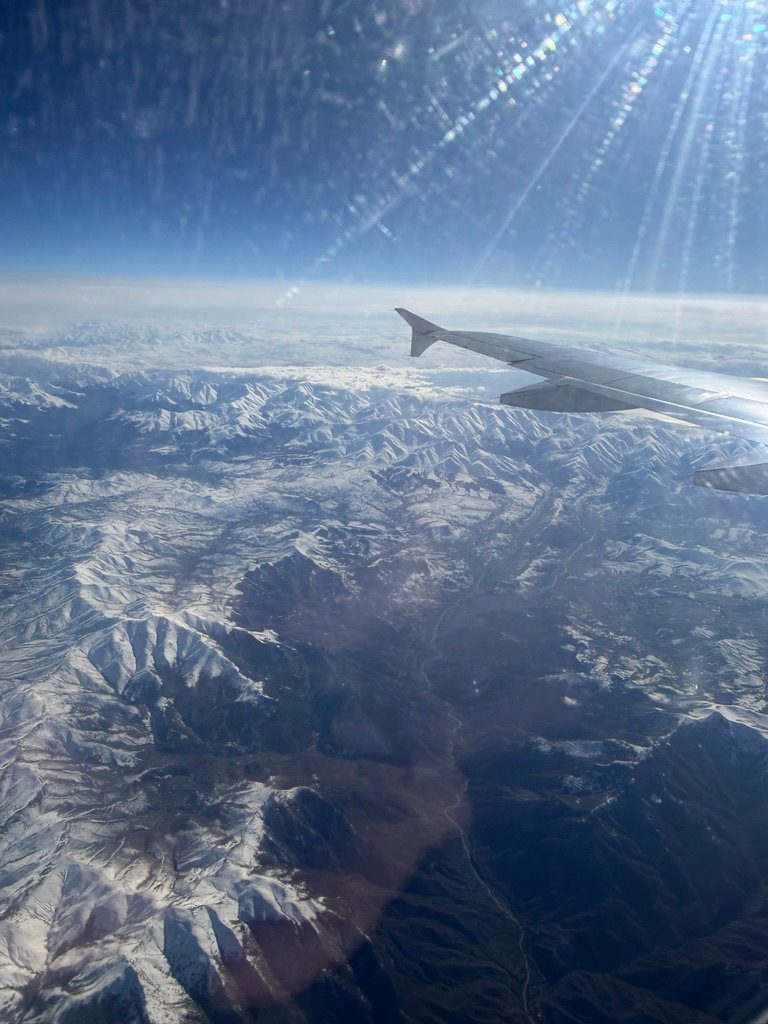
As we approach Armenia, I look out of the plane window and see snow-covered mountain peaks. What a beautiful welcome to a country of just three million people, with a history that stretches back thousands of years.
The capital, Yerevan, was founded in 782 BC, 29 years before Rome! That’s more than 2,800 years ago. And in 301 AD, Armenia became the first country in the world to adopt Christianity as its state religion.
My first impression of Yerevan is surprisingly modern and lively. Cafés, terraces and restaurants everywhere. And the food is absolutely delicious!
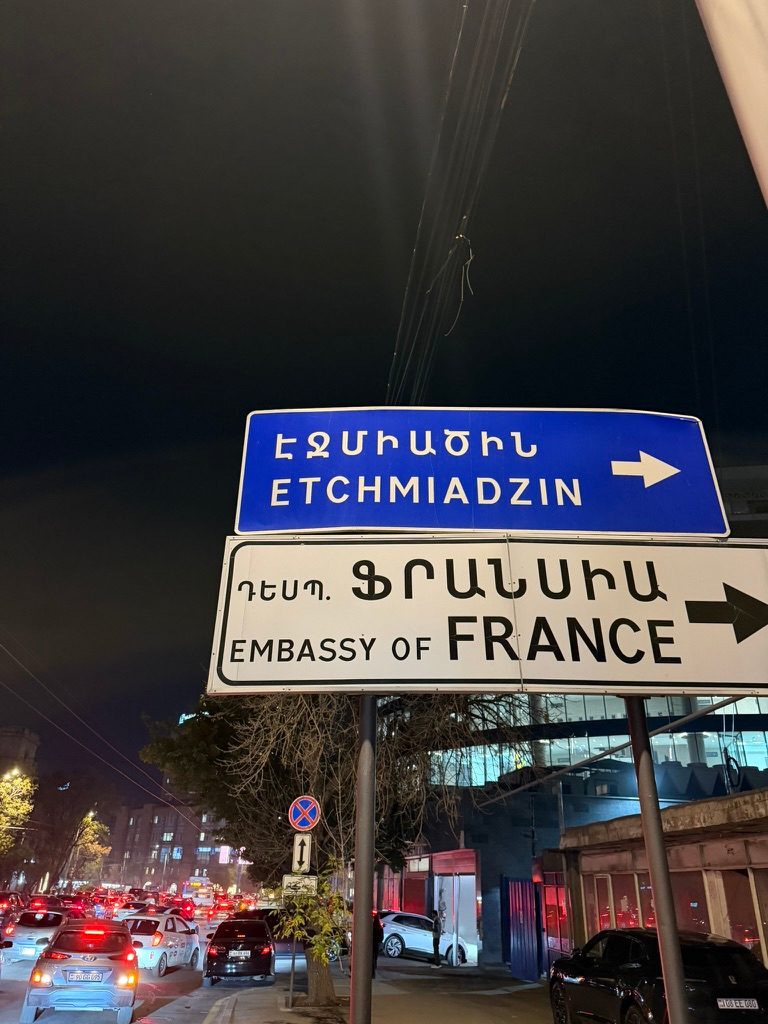
The language is another story. After travelling through Kazakhstan and Uzbekistan, I was finally starting to get used to the Cyrillic alphabet. And now I’m faced with Armenian, which looks like nothing I’ve ever seen before. I can’t make sense of a single word. Even reading street signs is impossible.
The pink city
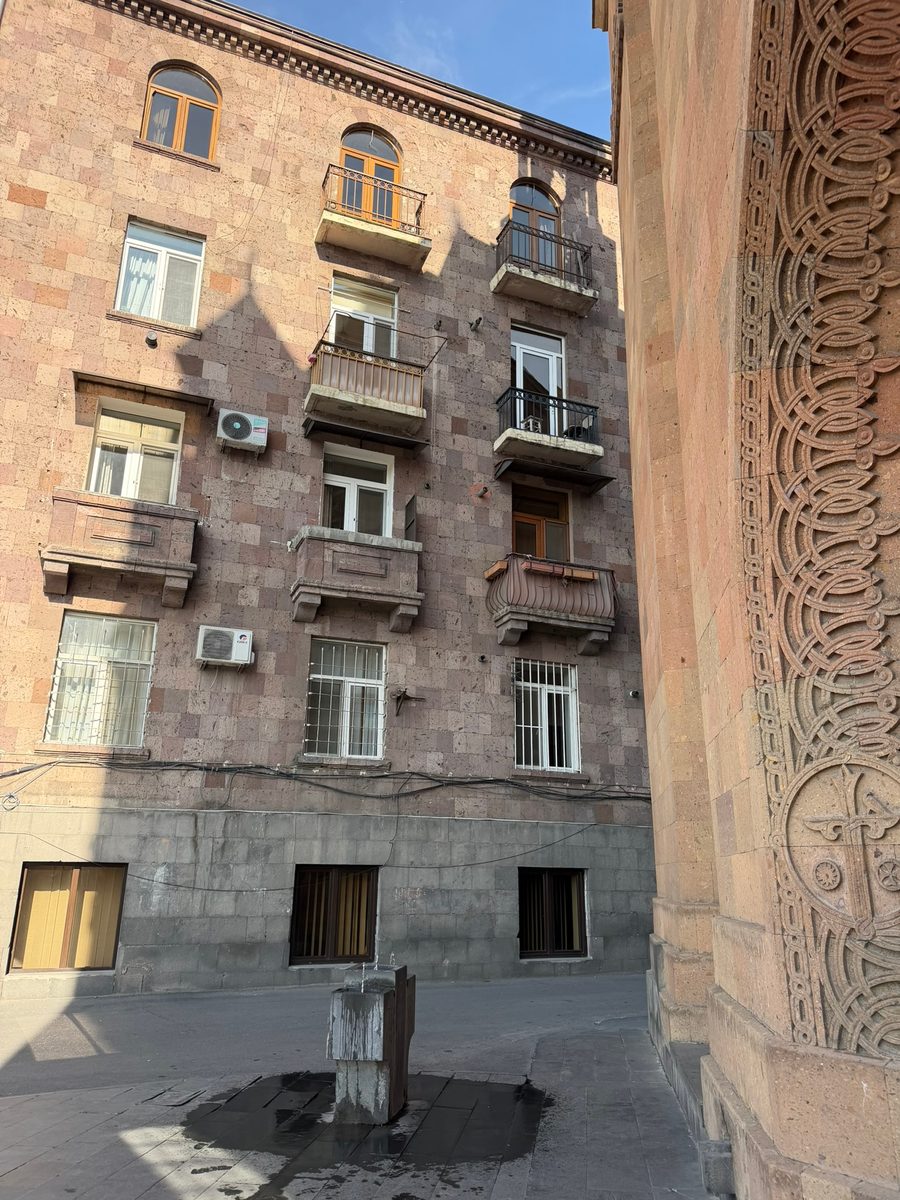
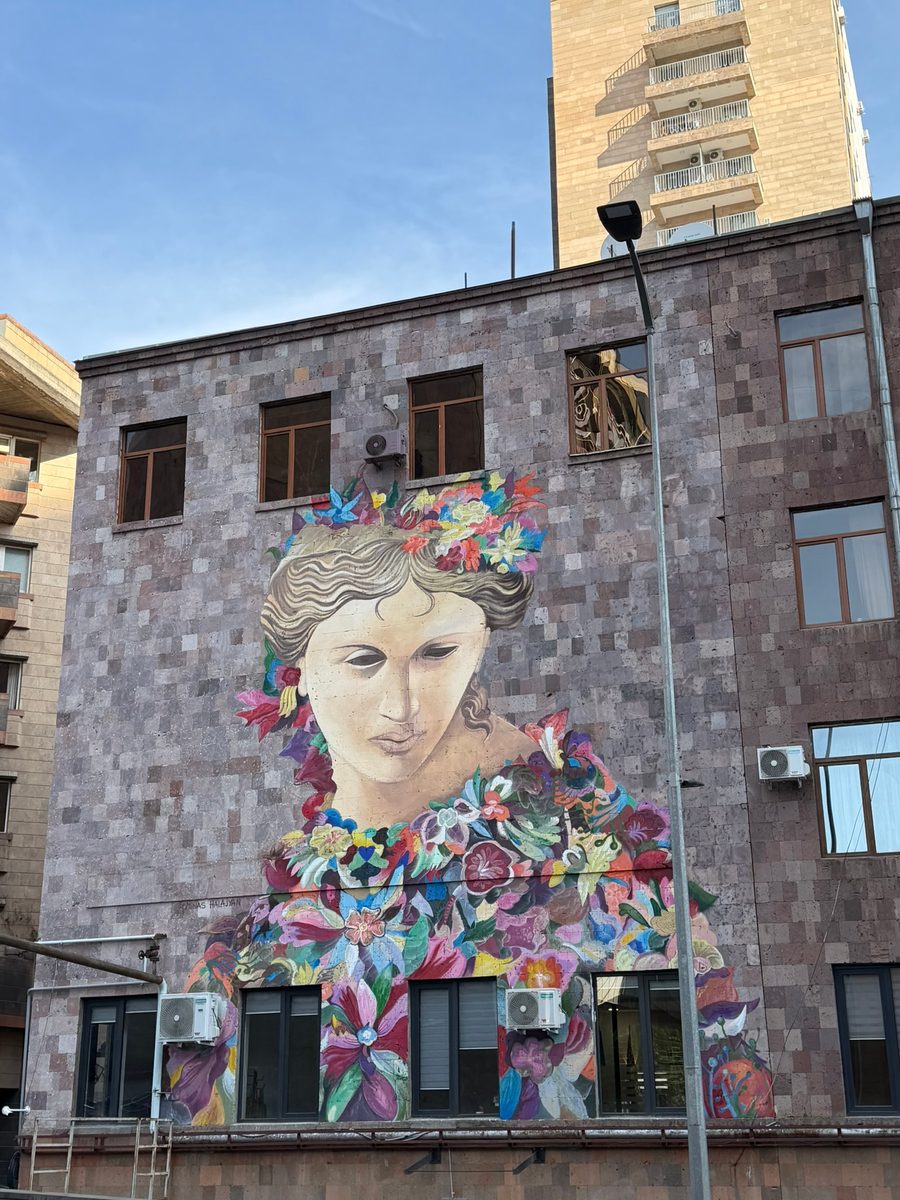
Yerevan is known as the Pink City, thanks to the pink and reddish volcanic stone used in many of its buildings. The Soviet influence is still obvious in the architecture, but look closely and you’ll spot little Armenian ornaments and details.
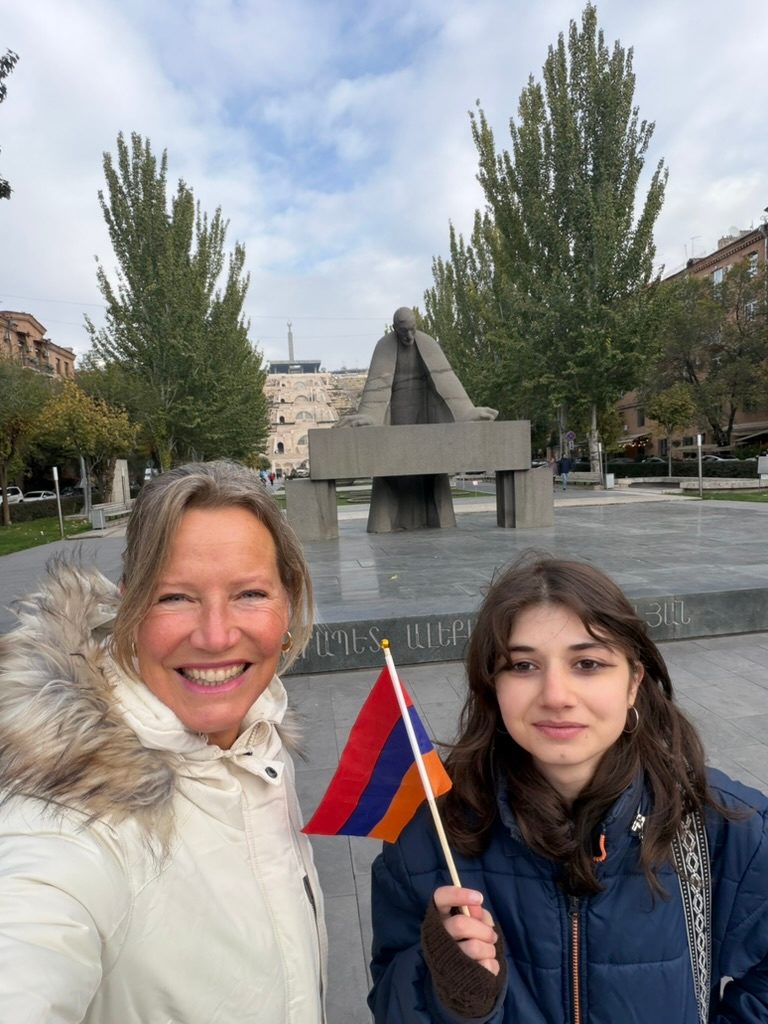
Whenever I arrive in a new city, I like to join a free walking tour. It’s a great way to get my bearings, learn a little history and hear a local’s perspective on everyday life.
November turns out to be an interesting time to visit. Tourist season is over, and I’m the only person who shows up for the tour. So I get my own private guide!
The city is already preparing for the cold winter. All the large decorative fountains have been switched off. Fortunately, there are plenty of small drinking fountains where you can refill your water bottle. The tap water is safe to drink and tastes good, too. That’s actually one of my requirements for spending time in a country. I really don’t want to keep buying plastic bottles of water.
Yerevan also feels safe and relaxed. People are friendly, and there’s a lovely café culture.
Churches, cats and a mosque
Christianity is deeply rooted in Armenian identity. During the Soviet era, many churches were closed, damaged or demolished, but religion remained an important part of people’s lives. When I walk into a church, elderly ladies greet me with a friendly hello.
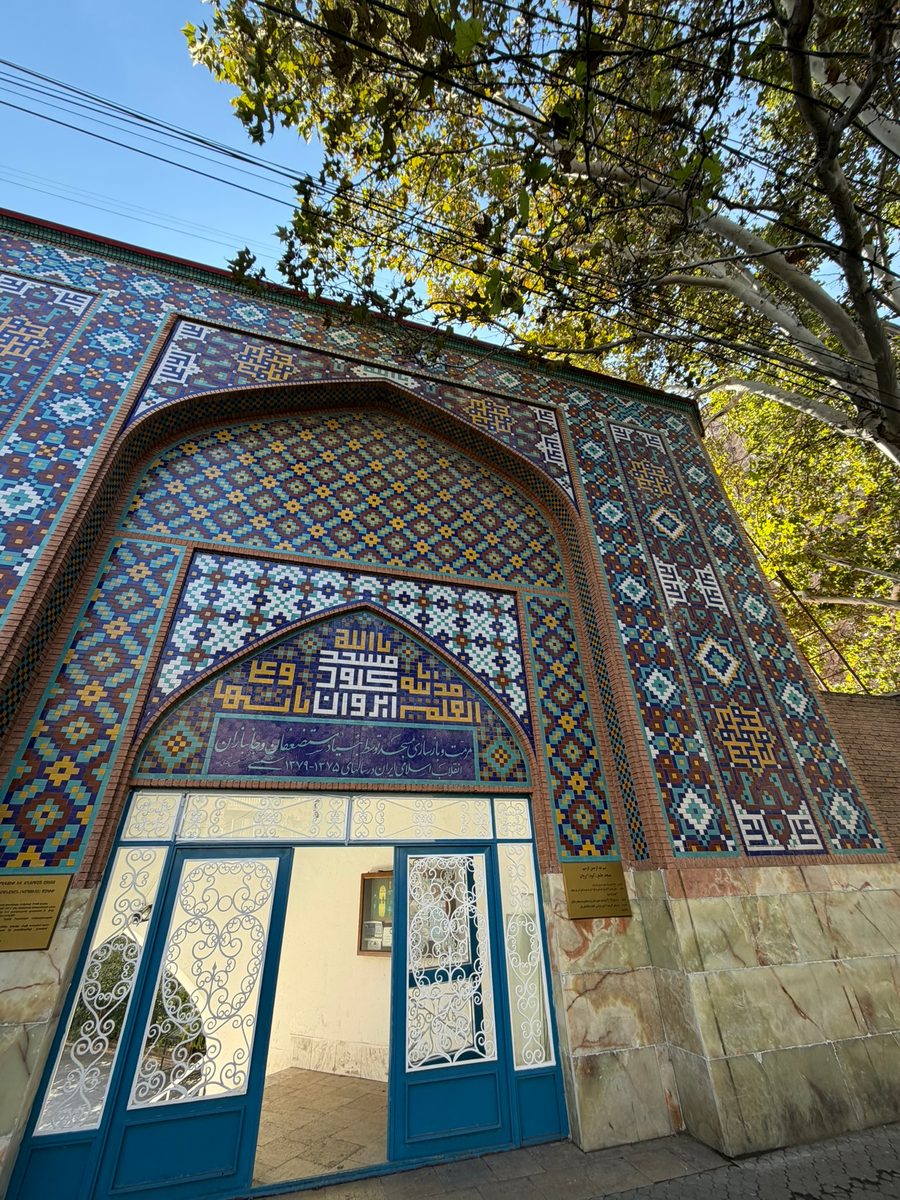
In the middle of the city, I also visit the Blue Mosque, the only active mosque in Yerevan. Behind its walls is a beautiful, peaceful garden, a little oasis in the middle of the city.
Another thing I notice is the number of stray cats and dogs. They look well cared for and aren’t afraid of people at all. Many of the dogs have coloured tags in their ears, showing that they’re registered and have been vaccinated and neutered as part of a local programme. You can tell from the colour whether they’re friendly.
My guide also tells me something interesting about the position of women in Armenian society. According to her, Armenia wasn’t originally a patriarchal society. Thousands of years ago, women were already allowed to write songs, say prayers and participate in society as equals to men. Historical laws also gave women rights to property and divorce, which was quite progressive for the time.
She explains that religious and cultural influences, including Islam, gradually reduced that equality over the centuries. But she emphasises that Armenian women have traditionally been strong, independent women who played a full role in society.
Charles Aznavour and Armenian history
Since Charles Aznavour was of Armenian descent, I decide to watch the film Monsieur Aznavour while I’m here. He was born in Paris to Armenian refugee parents. His family history is closely connected to the Armenian genocide of 1915, when more than a million Armenians were killed in the Ottoman Empire.
I was hoping the film would also show me more of Armenia itself. Unfortunately, most of the story takes place in France, and the history of persecution, oppression and refugees is only briefly touched upon.
What the film does capture beautifully is the warmth, creativity and resilience of the Armenian community. People who remain optimistic despite difficult circumstances, help each other and make the most of life.
And that same warmth is something I experience throughout Yerevan.
Kond, my favourite part of Yerevan
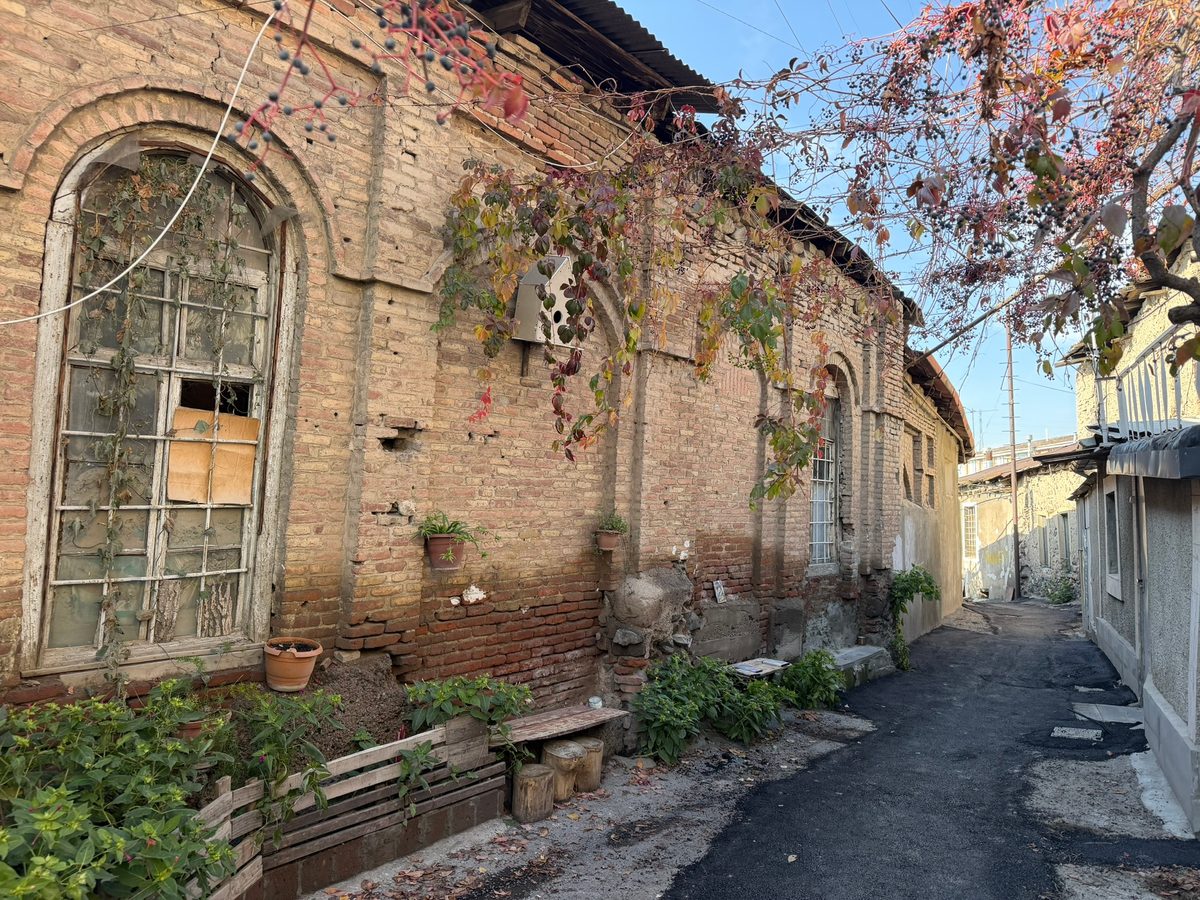
My favourite place turns out to be Kond, one of Yerevan’s oldest neighbourhoods. The moment I enter its narrow streets, I feel as though I’ve stepped into a completely different country.
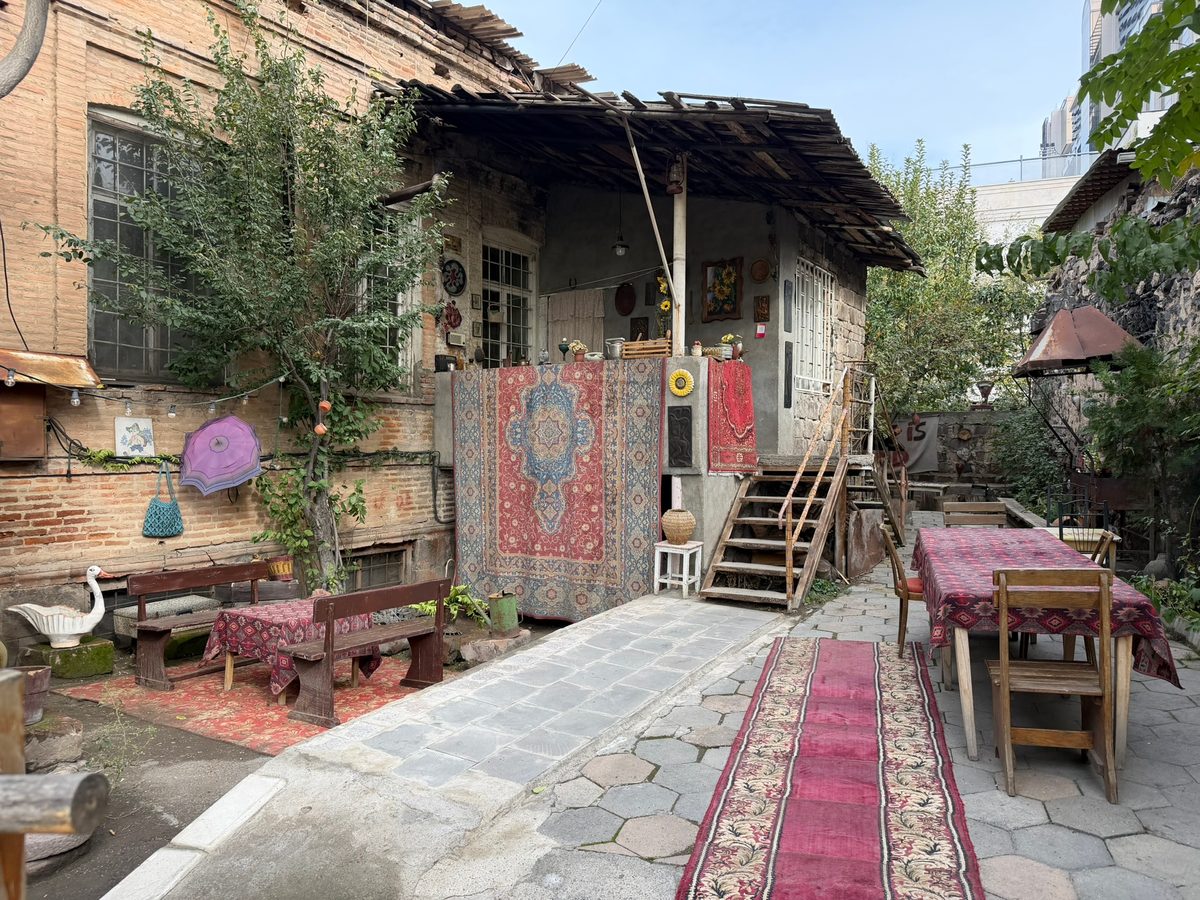
Instead of modern buildings and trendy terraces, there are winding alleyways, old houses, little courtyards and an almost village-like atmosphere. Life happens out on the streets and in small family-run businesses.
I discover lovely places like Kond Coffee House and Hyusyan’s House XVII Museum, where you can get a glimpse of traditional Armenian life inside a centuries-old house.
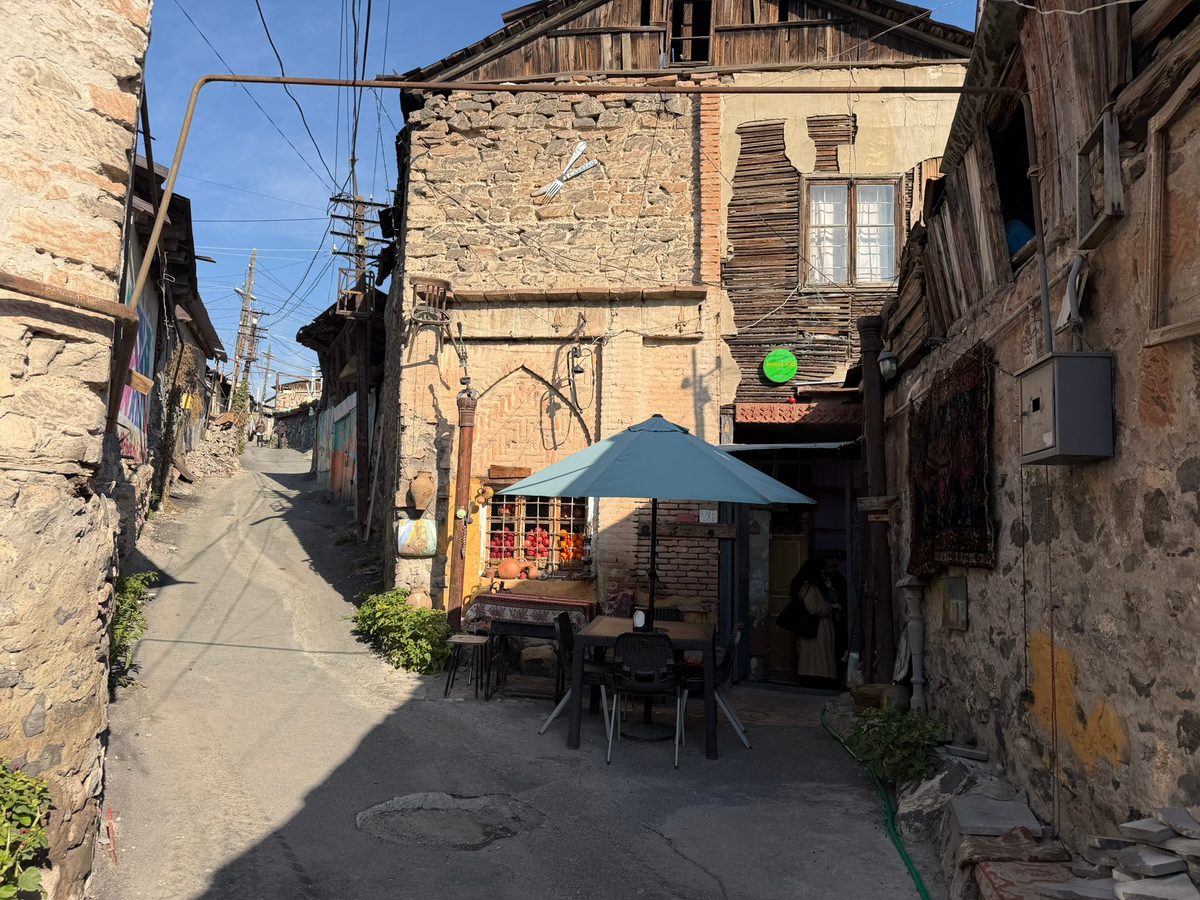
There’s just one problem. I haven’t brought any cash, and many of these little places don’t accept credit cards or Apple Pay.
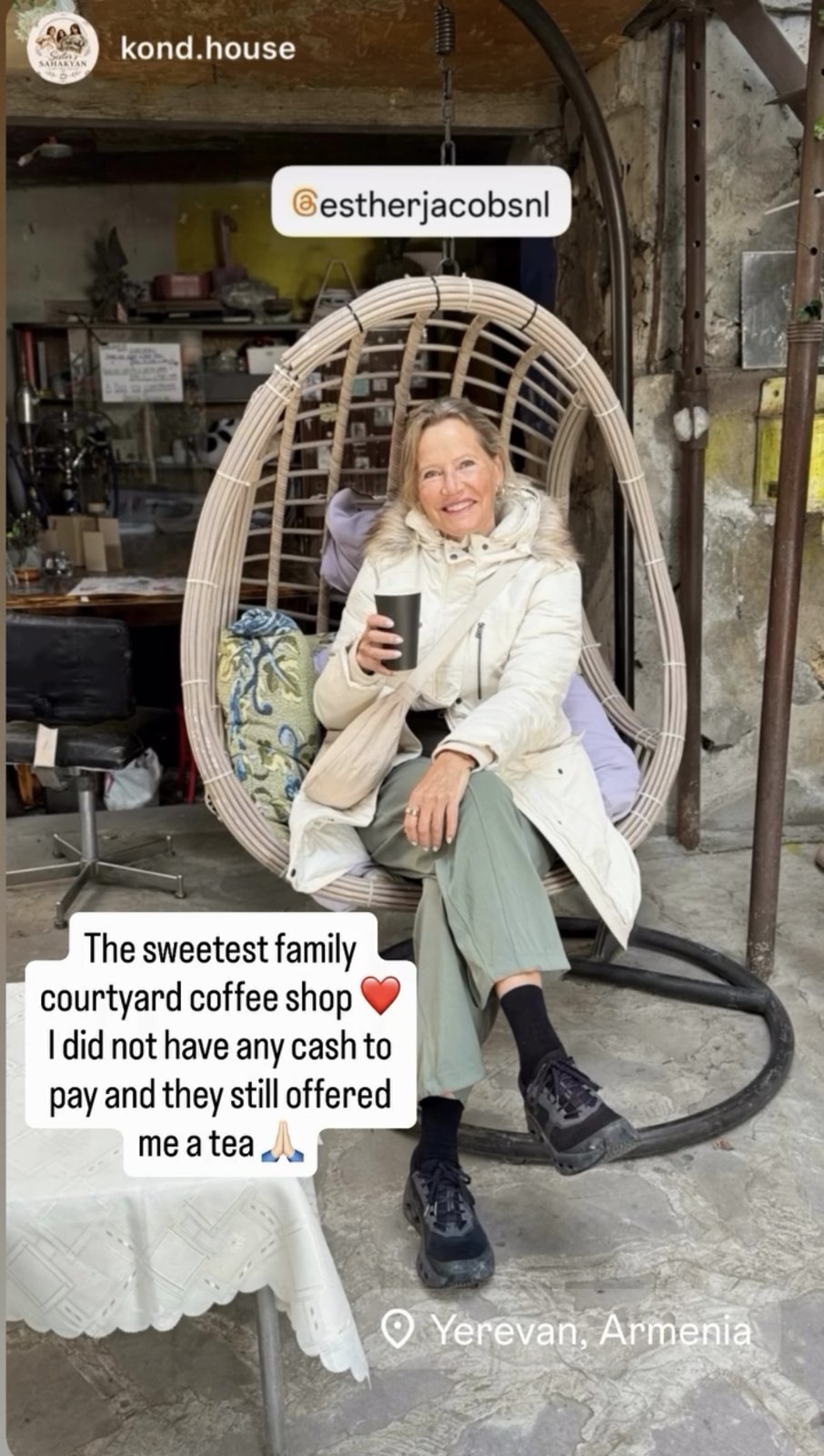
At one family café, they offer me tea anyway. Even though I can’t pay for it.
At another restaurant, I’d love to have lunch, but again, it’s cash only. I explain the situation and suggest walking to an ATM first.
Their response surprises me. They tell me to sit down, enjoy my lunch and get the money afterwards. They simply trust me to come back.
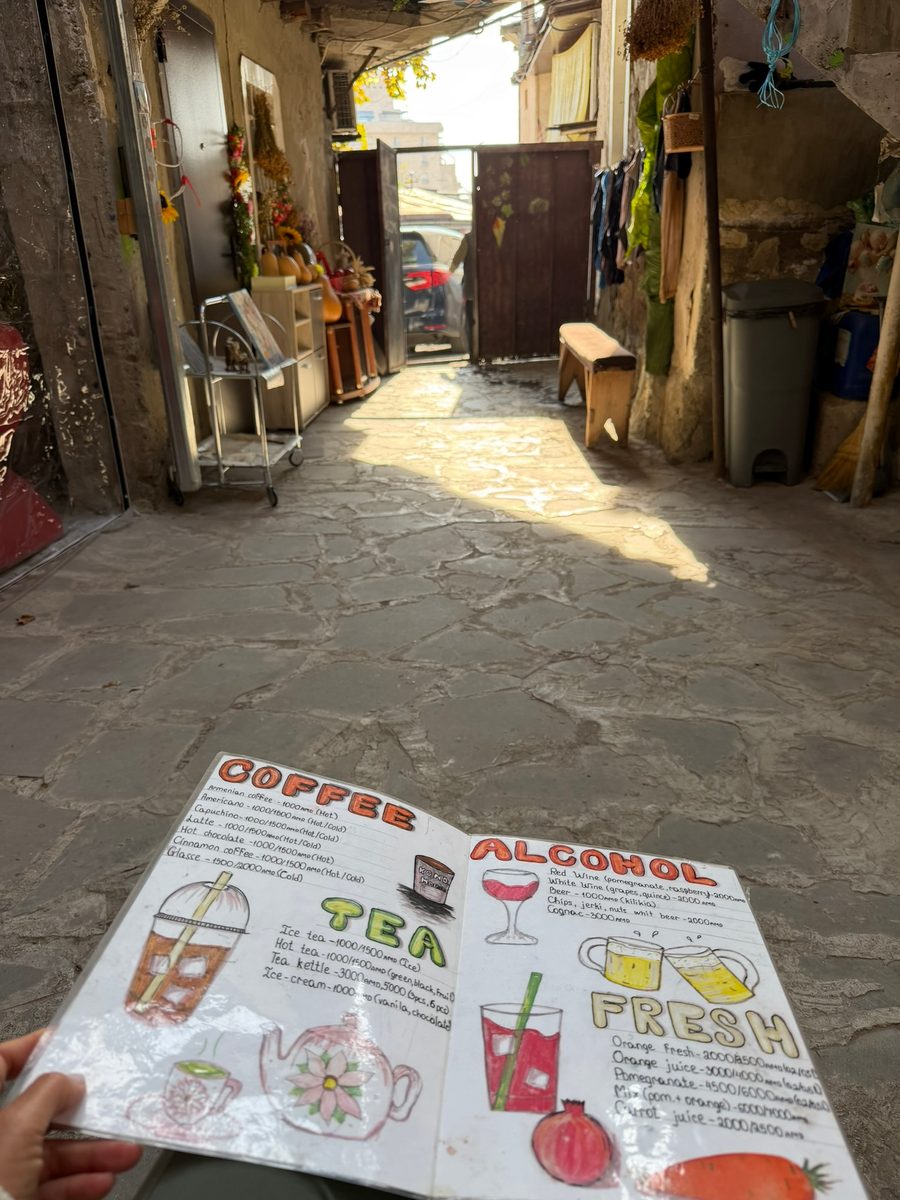
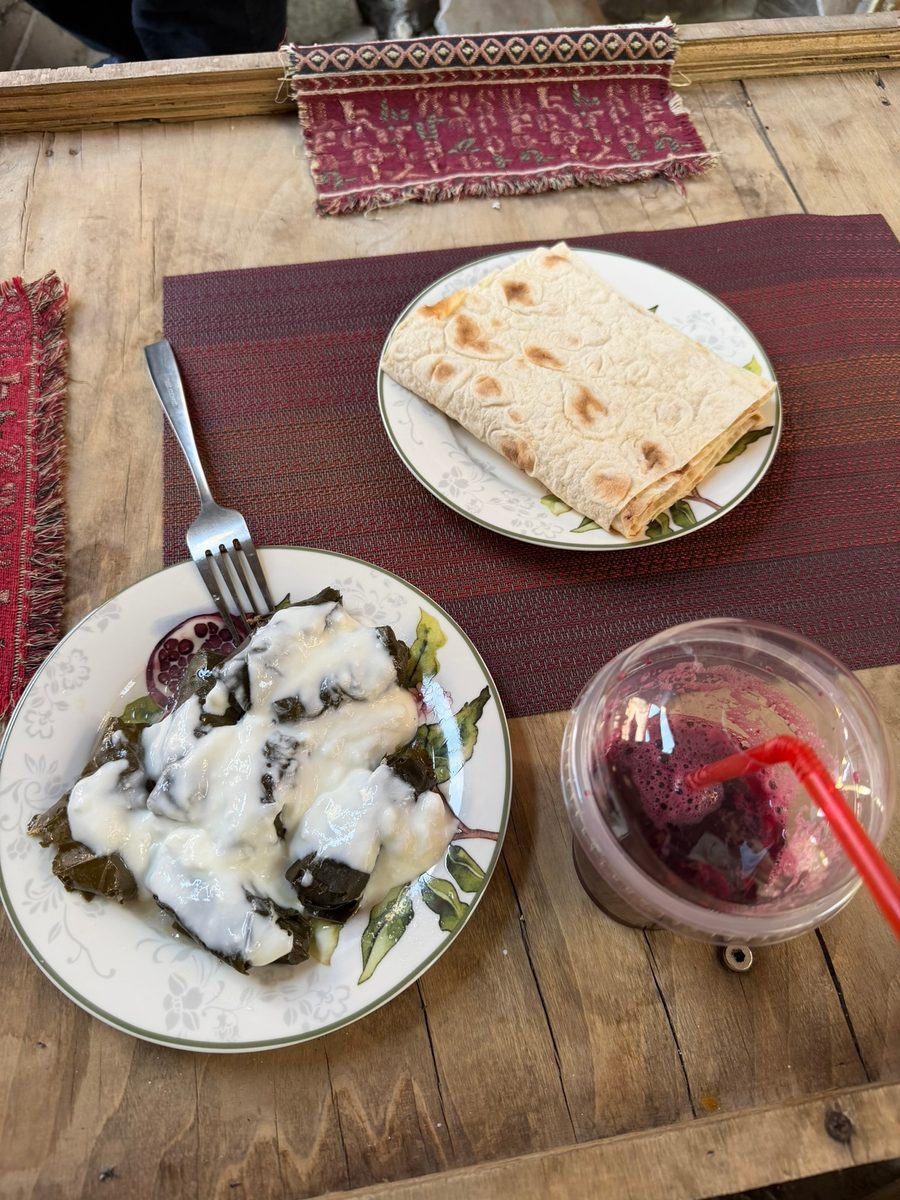
I have a delicious traditional Armenian lunch of dolma, little vine leaves stuffed with meat and rice, served with yoghurt sauce and lavash, the incredibly thin Armenian flatbread. And a glass of freshly squeezed pomegranate juice.
Afterwards, I walk to the ATM and, of course, return to pay.
These are the experiences that make a country special to me. Beautiful buildings, fascinating history and delicious food are all wonderful, but it’s the people I remember most.
Armenia has been through a lot in its long history, yet the hospitality and trust I’ve experienced here have been truly heartwarming.